Ultimate Guide to TSA Locks: Keep Your Luggage Secure During Travel
Everything about TSA-approved luggage locks — how they work, which ones to buy, and why they matter for US air travel.
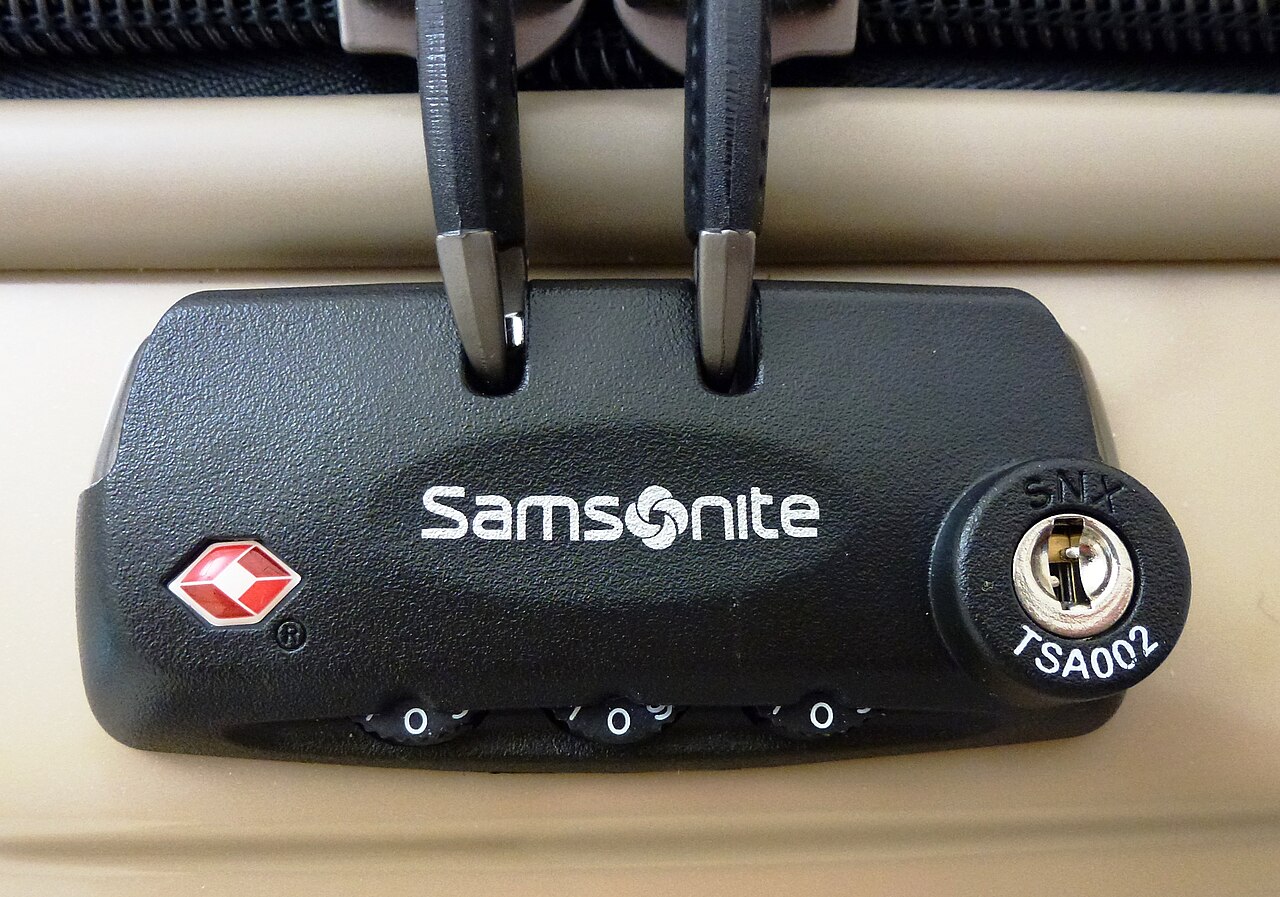
- TSA-approved locks allow security officers to open your bag without cutting the lock.
- Look for the red diamond logo to confirm a lock is TSA-recognised.
- TSA locks are recommended for checked baggage on US flights.
- Combination and keyed versions are available from multiple brands.
When you travel, the last thing you want to worry about is the security of your belongings. Your luggage contains everything from clothing to valuable electronics, and keeping it safe is a top priority. That is where TSA locks come into play. These specially designed locks allow you to secure your suitcase while still giving airport security personnel the ability to inspect your bag if necessary. It is a simple yet effective solution that balances your need for security with the TSA’s requirement to screen luggage.
Understanding how these locks work and why they matter can save you from the frustration of a cut lock or a damaged zipper. When TSA agents need to inspect a bag that is locked with a non-approved lock, they will cut it off to gain access. This can ruin your lock and potentially damage your luggage. With a TSA-approved lock, agents can open and relock your bag using a universal key, leaving your belongings secure and your lock intact.
Whether you are a seasoned traveler or planning your first big trip, equipping your luggage with the right lock is a small investment that offers significant peace of mind. The global travel industry recognizes the TSA lock standard, meaning these locks work at airports not just in the United States but in many countries around the world. This makes them an essential accessory for anyone flying internationally.
In this guide, we will walk you through everything you need to know about TSA locks. From understanding what makes a lock TSA-approved to learning how to set and reset combination codes, we have you covered. We will also share practical tips to keep your luggage secure throughout your journey so you can focus on enjoying your trip.
What Are TSA-Approved Locks?
TSA-approved locks, also known as Travel Sentry approved locks, are a specific type of luggage lock that can be opened by Transportation Security Administration agents using a universal master key. These locks feature a special indicator, usually a red diamond symbol, that signals to security personnel that the lock can be opened without damage. This system was developed in collaboration with Travel Sentry to streamline airport security while keeping luggage secure.
The primary advantage of using a TSA-approved lock is that it allows you to lock your suitcase without the risk of having the lock forcibly removed during a security inspection. If you use a standard lock that is not TSA-approved, agents will cut it off if they need to search your bag. This can leave your luggage vulnerable for the remainder of your journey and may even cause damage to zippers or clasps.
TSA locks come in several styles to suit different preferences and types of luggage. The most common types are combination locks, which use a three-digit or four-digit code that you set yourself, and keyed locks, which come with a set of small keys. There are also cable locks, which feature a flexible steel cable that can be looped through zippers or around a fixed object, and integrated locks that are built directly into the luggage frame. Each type offers the same TSA-approved functionality, so your choice comes down to personal preference.
When shopping for a TSA lock, look for the official Travel Sentry logo, which is a red diamond with a white center. This mark indicates that the lock has been tested and certified as TSA-approved. Locks without this symbol may still claim to be compatible, but only those bearing the official mark have been verified to work with TSA master keys. It is a small detail that makes a big difference in reliability.
Many travelers wonder whether they really need a TSA lock. While it is not strictly required by law, it is highly recommended for anyone checking a bag. Without a lock, your suitcase zippers can easily be opened by anyone, and the contents are accessible during handling. A TSA lock provides a basic level of deterrence against theft while still complying with airport security protocols. It is a simple layer of protection that every traveler should consider.
It is also worth noting that TSA locks are not just for checked luggage. Many travelers use them on carry-on bags as well, especially when storing valuables in overhead compartments. While the TSA does not screen carry-on bags in the same way, having a lock on your backpack or duffel can prevent opportunistic theft during boarding or deplaning. The versatility of these locks makes them a valuable addition to any travel kit.
The durability of TSA locks varies by brand and material. Look for locks made from hardened steel or zinc alloy for the best combination of strength and weight. Some locks also feature weather-resistant coatings, which can be useful if you travel to rainy destinations or store your luggage in outdoor conditions. Investing in a quality lock means it will last through many trips and continue to provide reliable security.
Finally, it is important to understand that TSA locks are a deterrent, not an absolute guarantee against theft. While the lock prevents casual access, a determined thief with the right tools could still bypass it. However, for the vast majority of travel situations, a TSA-approved lock provides more than adequate security. It meets the security standards required by airports worldwide and gives you peace of mind every time you hand your bag over at the check-in counter. meet the security standards set by global aviation authorities, making them a trusted choice for millions of travelers.
How to Install and Use TSA Locks
Using a TSA lock is straightforward, but there are a few important steps to ensure it functions correctly. For combination locks, start by setting a code you will remember. Most TSA combination locks come with a default code, such as 0-0-0, and include a small reset button or tool. Press the reset button, dial in your desired combination, and release the button to lock in the new code. Always test your new code a few times before closing your suitcase to make sure it works smoothly.
If you prefer a keyed TSA lock, the process is even simpler. The lock comes with two or more small keys. Keep one key in a safe place, such as your wallet or carry-on bag, and store the spare key separately. To lock your luggage, insert the key, turn it to engage the locking mechanism, and remove the key. Make sure the shackle or cable is securely fastened before you check your bag. It is a good idea to travel with at least one spare key, just in case.
For cable-style TSA locks, loop the cable through the zipper pulls of your suitcase and then through the locking mechanism. Pull the cable tight and secure it with your combination or key. Cable locks are especially useful for bags with two zippers because you can pull both zippers together and lock them in the center, preventing either from being opened. Some travelers also use cable locks to secure their bag to a fixed object, such as a luggage rack, for added security during overnight train trips.
Integrated TSA locks, which are built directly into the luggage, are the most convenient option. These locks are typically located near the top or side of the suitcase and are operated by a combination dial or a key slot. Because the lock is part of the luggage, there is nothing extra to carry or lose. Many modern suitcases come with integrated TSA locks as a standard feature, and they are often paired with expandable compartments and multi-wheel spinner systems for maximum convenience.
When you arrive at the airport and check your bag, make sure the lock is fully engaged. Give the zippers a gentle tug to confirm they are secured. If a TSA agent needs to inspect your bag, they will use their universal master key to open the lock, perform the inspection, and relock the bag before sending it on its way. In most cases, you will not even know the inspection took place unless you find a notice inside your luggage from the TSA.
One common concern among travelers is whether TSA locks can be reset accidentally. Most quality TSA locks are designed to prevent accidental resetting. The reset mechanism is typically recessed or requires a special tool, so bumping the lock or jostling it during transit will not change your code. However, it is always wise to double-check your combination before every trip, especially if you have not used the lock in a while.
A Few Options: When selecting a TSA lock, consider the type of travel you do most often. For frequent flyers, an integrated lock or a keyed lock is often the most convenient. For occasional travelers or those who use multiple bags, a small combination lock offers the most flexibility. If you travel with expensive gear, such as camera equipment or electronics, a heavy-duty cable lock provides additional theft deterrence. There are many options available, and the right one depends on your specific needs.
The Benefit: The real benefit of a TSA lock is the combination of security and convenience. You do not have to choose between protecting your belongings and complying with airport security. With a TSA lock, you get both. You can lock your bag with confidence, knowing that if a security check is necessary, it will be handled professionally and your lock will remain intact. This peace of mind is invaluable when you are traveling across time zones and continents.
Additional Tips for Luggage Security
While a TSA lock is an excellent first line of defense, there are several other steps you can take to keep your belongings safe during travel. One of the simplest is to use luggage with sturdy zippers and reinforced seams. Soft-sided bags are more vulnerable to slashing, while hard-sided suitcases offer greater protection. If you travel frequently, investing in a high-quality hard-sided suitcase with an integrated TSA lock is well worth the expense.
Another effective strategy is to distribute valuable items across multiple bags or compartments. Instead of packing all your electronics in one place, spread them out so that even if one bag is compromised, you do not lose everything. Keep essential items such as passports, medications, and wallets in your personal item or carry-on bag. This way, these critical items remain with you at all times and are not subject to the risks of checked luggage.
Consider using packing cubes or pouches to organize your belongings. Not only do these make packing and unpacking easier, but they also add an extra layer of organization that can deter casual theft. If someone opens your bag, a jumble of packing cubes is less inviting than neatly arranged items. Some packing cubes even come with lockable zippers, providing an additional layer of security inside your main bag.
Label your luggage clearly with your name, phone number, and email address. Use a luggage tag that attaches securely to the handle, and consider adding a second tag inside the bag in case the outer tag is torn off. This simple step greatly increases the chances of your bag being returned if it is lost or misplaced. Many airlines also offer digital tracking options, such as Apple AirTag or Samsung SmartTag, which you can place inside your suitcase for real-time location updates.
Be mindful of where you place your luggage during layovers and transfers. Never leave your bag unattended, even for a moment. Opportunistic theft can happen quickly, especially in crowded airport terminals or train stations. When using public transportation, keep your bag between your legs or in your line of sight at all times. If you are traveling overnight by train, use a cable lock to secure your bag to the luggage rack or your seat frame.
Take photos of your packed luggage before you leave. This serves as a visual inventory in case you need to file a claim for lost or stolen items. Make sure the photos show the contents clearly, as well as the exterior of the bag. Having this documentation can streamline the claims process with your airline or travel insurance provider. It also helps you remember exactly what you packed, which is useful when repacking for the return trip.
Finally, consider travel insurance that covers lost, stolen, or damaged luggage. Many policies offer coverage for personal belongings and provide reimbursement for essentials if your bag is delayed. Combined with a quality TSA lock and smart packing habits, travel insurance gives you comprehensive protection for your belongings. It is one more layer of security that allows you to travel with confidence, knowing that you are covered no matter what happens.
By following these tips and using a TSA-approved lock, you can significantly reduce the risk of theft and damage to your luggage. Travel should be about exploration and discovery, not worrying about the safety of your belongings. With the right preparation, you can focus on what truly matters: enjoying your journey and creating unforgettable memories.
Travelvus calculates complete journey costs. Your baggage choices — checked or carry-on — affect both the fare and the door-to-door experience.
Read our methodology →